







Jumping for Jute!
Jute is a natural fibre with golden & silky shine, and hence nicknamed as The Golden Fibre.
Jute is one of the most versatile natural fibres that has been used in raw materials for packaging, textiles, non-textile, and agricultural sectors.
Jute is a vegetable plant whose fibres are dried in long strips, and it’s one of the cheapest natural materials available; together with cotton, it is one of the most frequently used.
The plants from which jute is obtained grow mainly in warm and humid regions, such as Bangladesh, China, and India.
Jute can be grown year-round and is harvested every six months. It can take decades to produce the same volume of wood fibre and it requires much larger tracts of land to cultivate.
The woody core of the jute plant, called hurd, has thousands of potential industrial and commercial uses. As an alternative to wood, hurd is capable of meeting most of the world’s demand for wood and wood products. Using hurd and jute fibres means that the level of deforestation to meet the current demand for paper and wood could be significantly decreased if they were used as an alternative.
Jute is 100% biodegradable (it degrades biologically in 1 to 2 years), low-energy recyclable, and can even be used as compost for the garden. It is clear in terms of reusability and recyclability that jute bags are one of the best options available nowadays.
Jute fibres are tougher and more resilient than paper made from wood pulp and can withstand prolonged exposure to water and weather. They can be reused many times and are thus very environmentally friendly.
The application of jute is a significant step in combating the use of different materials containing toxic wastes. Jute bags cut down the employment of plastic bags, which have now been effectively banned in many countries due to their harmful components. Jute seems to be one of the best alternatives to it.
We hope you enjoyed learning about Jute as much as we did, we would love to hear your comments! We have more interesting reads on our blog: www.curtainclean.co.nz...

Poll: Should we ditch daylight saving? 🕰️
First introduced in New Zealand in 1927 with the passing of the Summer Time Act, it's what we know as 'Daylight Saving' and this year it ends on the first Sunday in April.
While we do get to sleep in this time around, some people would like to scrap the clock tinkering for good.
And why? Some evidence suggests the time changes are bad for our health as they mess with sleep patterns leading to short-term fatigue and affecting mood. Meanwhile the hour change is frustrating for farmers and a nightmare for getting the littlies to sleep. But what's your take?

-
34.3% Yes - get rid of the clock changes
-
64.7% No, I enjoy it
-
1% Other - I'll share below
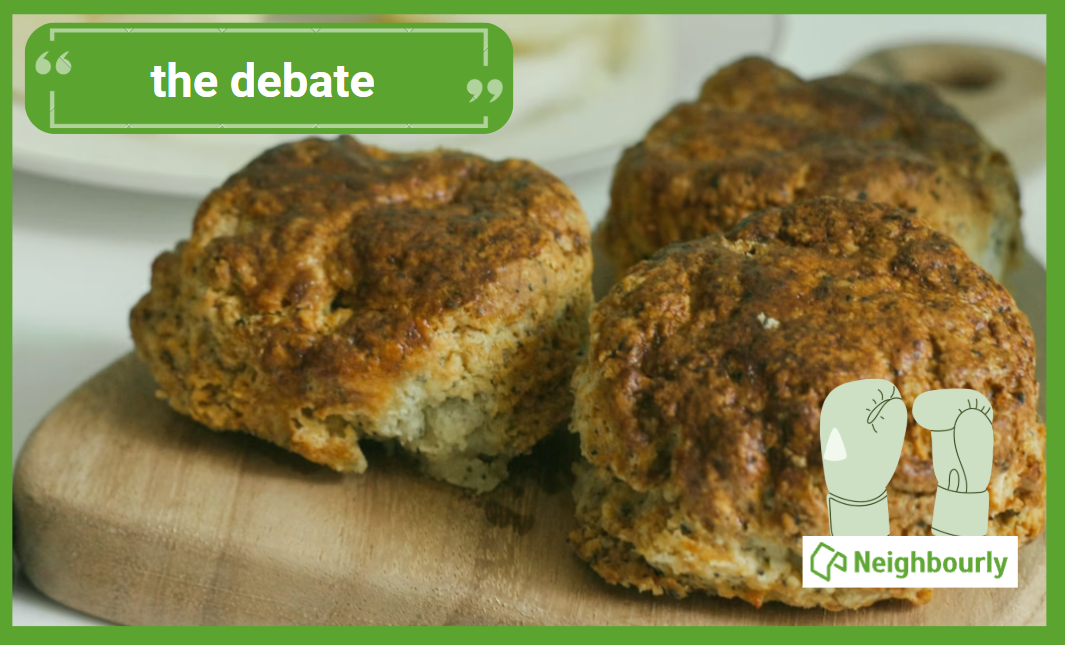
Poll: Does a savoury scone require cheese on top, or folded inside?
Help settle the great kiwi debate ... cheese on top, or folded inside?
-
76.3% Inside!
-
23.7% On top!

Don't overthink this riddle...
I have a silver sole
but no feet,
I make my living by bringing the heat.
What am I?
Do you think you know the answer? Simply 'Like' this post if you know the answer and the big reveal will be posted in the comments at 2pm on the day!
Want to stop seeing these in your newsfeed?
Head here and hover on the Following button on the top right of the page (and it will show Unfollow) and then click it. If it is giving you the option to Follow, then you've successfully unfollowed the Riddles page.

 Loading…