





Help us to "Light up Loneliness" by encouraging your local council to get involved.
Loneliness is a growing issue for Kiwis of all ages. But the good news is, that it is solvable!
The NZ Coalition to End Loneliness is running a ‘Light up loneliness’ campaign this month to raise awareness and encourage action on loneliness across Aotearoa.
The New Zealand Coalition to End Loneliness is a growing group of non-profit organisations, businesses and researchers working together to end loneliness for individuals, in communities, and at workplaces in New Zealand.
They are now calling on Local Government to help them “Light up loneliness”.
“Imagine if every Mayor and Council across New Zealand helped promote the “Lets End Loneliness” website and made tackling loneliness a priority, using their own local community resources,” says Stephanie Clare, Age Concern New Zealand Chief Executive.
“It would be a gamechanger. Taking this issue out of the shadows, reducing the stigma and shame, and giving it light is the aim of the campaign” she says.
Social connection is a key factor for healthy, prosperous people, communities, and workplaces, but loneliness in New Zealand is increasing. In the March 2021 quarter 18.4% of New Zealanders felt lonely most, all or some of the time, up from 16.6% in 2018, and 13.9% in 2014.
“Many of us have experienced loneliness at some time in our lives and we know that feels horrible, but it can be addressed and solved. Together we can end loneliness for New Zealanders who feel isolated” says Sam Johnson, Founder and Chief Executive of Student Volunteer Army.
The letsendloneliness.co.nz website provides information on tackling loneliness and where to get help, as well as up-to-date news and research.
“The website is designed as a source of information which also links people to support services. We challenge every Local Council in New Zealand to create a link on their own websites to letsendloneliness.co.nz” says Sam Johnson.
The recent COVID-19 lockdown highlights that everyone can feel isolated and lonely. Catherine Hall, Chief Executive of Alzheimers New Zealand believes everyone should feel safe, supported, loved, and connected.
“Sadly, people often find family, whānau and friends take a step back just when they need them most. We stand alongside our coalition partners and with all New Zealanders, to make sure no one feels alone.”
Help light up loneliness! The campaign is not just for councils. Anyone can create a link to the letsendloneliness.co.nz or post a mention through social media channels to support the ‘Light up loneliness’ campaign.
Together we can end loneliness, one person, one community, one workplace at a time.

Poll: Should the government levy industries that contribute to financial hardship?
As reported in the Post, there’s a $30 million funding gap in financial mentoring. This has led to services closing and mentors stepping in unpaid just to keep helping people in need 🪙💰🪙
One proposed solution? Small levies on industries that profit from financial hardship — like banks, casinos, and similar companies.
So we want to hear what you think:
Should the government ask these industries to contribute?

-
60.1% Yes, supporting people is important!
-
23.4% No, individuals should take responsibility
-
16.5% ... It is complicated

A Neighbourly Riddle! Don’t Overthink It… Or Do?😜
Do you think you know the answer? Simply 'Like' this post if you know the answer and the big reveal will be posted in the comments at 2pm on the day!
If you multiply this number by any other number, the answer will always be the same. What number is this?
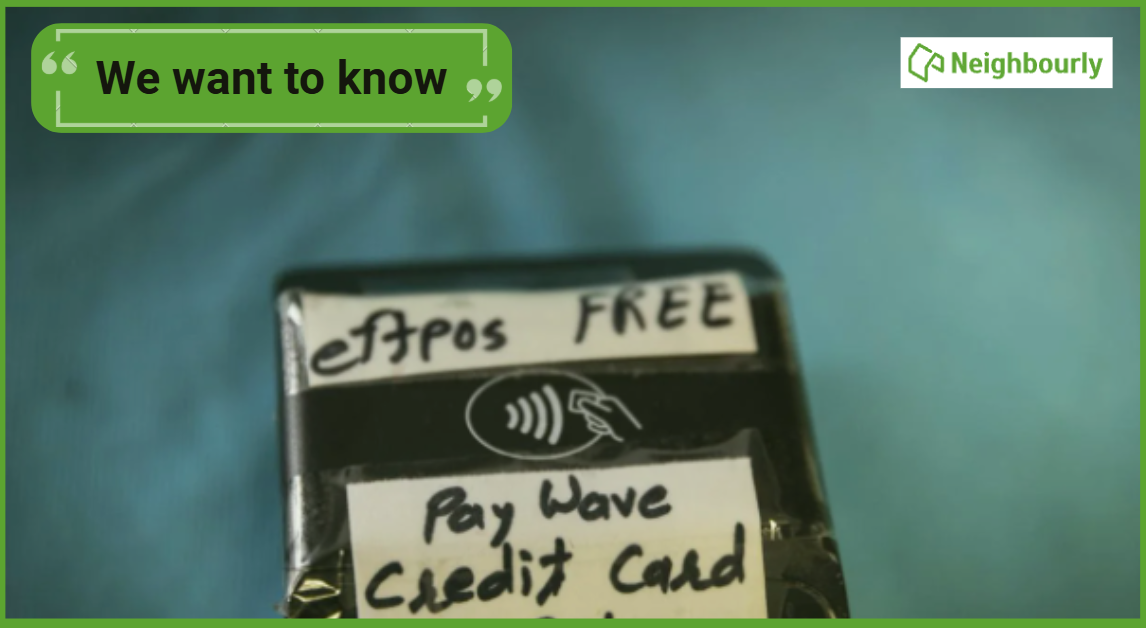
Poll: As a customer, what do you think about automation?
The Press investigates the growing reliance on your unpaid labour.
Automation (or the “unpaid shift”) is often described as efficient ... but it tends to benefit employers more than consumers.
We want to know: What do you think about automation?
Are you for, or against?
-
9.7% For. Self-service is less frustrating and convenient.
-
43.2% I want to be able to choose.
-
47.1% Against. I want to deal with people.
 Loading…