





What is Yarn: What It’s Made From, How You Make It and More
When researching or reading about different fabrics, you are likely to see the word yarn mentioned a lot. ‘Made from spun yarns’ or ‘with synthetic yarns’ are a couple of examples. But what is yarn? What is spun yarn? Are there other types? What does it all mean, and how much relevance does this bear to your final fabric? That’s what we are here to look at in a little more detail.
What is Yarn?
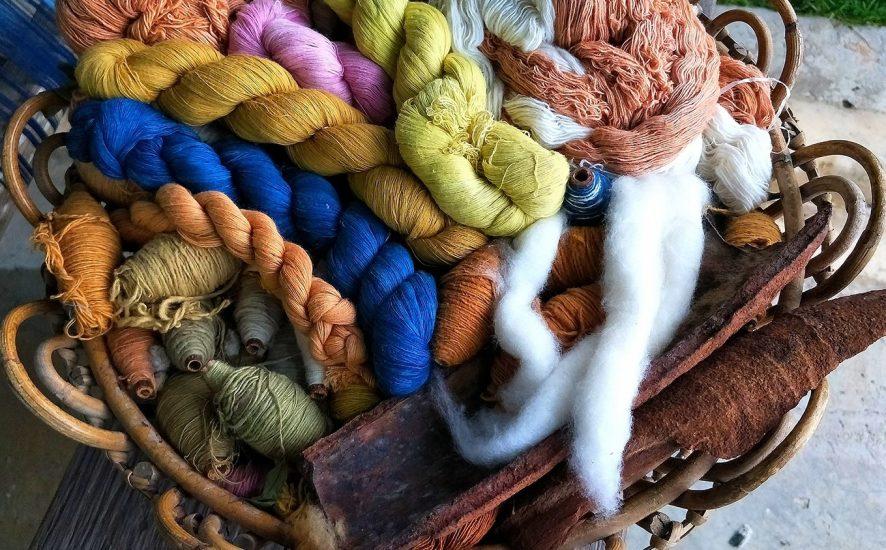
Yarn is a length of fibres. That’s the simplest way to explain it. It is a continuous length of fibres which are interlocked, and it’s used to produce fabrics, as well as in crocheting, knitting, embroidery and ropemaking.
This means that we can split yarn into two different ‘categories’ of sorts. The thread that is used for embroidery or in sewing machines, as well as yarn (commonly known as balls-of-wool) used in crafts such as knitting or crocheting, are long lengths that are bought as yarns.
The alternative would be a yarn which is then knitted or woven into a fabric. The textile is then bought as fabric, in lengths, rather than the yarn itself being purchased separately. This second description is the one that we will explore further in this post.
What is Yarn Made From?
Yarn can be made from such a variety of different fibres. This includes both natural and synthetic fibres. The most common plant fibre is cotton, however, you can also use other natural fibres such as bamboo. Alongside cotton, the synthetic polyester fibre makes up the two most commonly used fibres. Animal fibres are also often used, such as wool, harvested from sheep, as well as cashmere (harvested from goats) Angora (from rabbits) and silk (from insect larvae).
What is the Difference Between Spun and Filament Yarn?
Spun yarn is made by twisting staple fibres together in either an S or Z twist, to make a single thread. The process of twisting the fibres together into yarn is called spinning and it was one of the first processed to be industrialised. Spun yarns can contain a single type of fibre, or you can spin various types of fibre together to give you a blend.
Filament yarn is made up of filament fibres which are either twisted together or simply grouped together. It can either be composed of one filament, which is called a monofilament, or it could be made of more than one, in which case it would be known as a multifilament. This can be as few as two or three filament fibres, or even up to 50, or more.
Keep reading: www.curtainclean.co.nz...

Poll: As a customer, what do you think about automation?
The Press investigates the growing reliance on your unpaid labour.
Automation (or the “unpaid shift”) is often described as efficient ... but it tends to benefit employers more than consumers.
We want to know: What do you think about automation?
Are you for, or against?
-
9.4% For. Self-service is less frustrating and convenient.
-
43.5% I want to be able to choose.
-
47.1% Against. I want to deal with people.
Kiwisaver Changes
Has your accountant told you about recent changes to KiwiSaver contribution rates and how they may affect wages and payroll calculations?
These updates can have flow-on effects for both employers and employees, and understanding them early helps avoid surprises.
Many business owners rely on their accountant not just for compliance, but for timely communication and practical guidance when changes occur.
If you haven’t had this explained clearly, Check out www.stephenlarsenandco.co.nz...
Wanted: Older Female Rabbit to Adopt
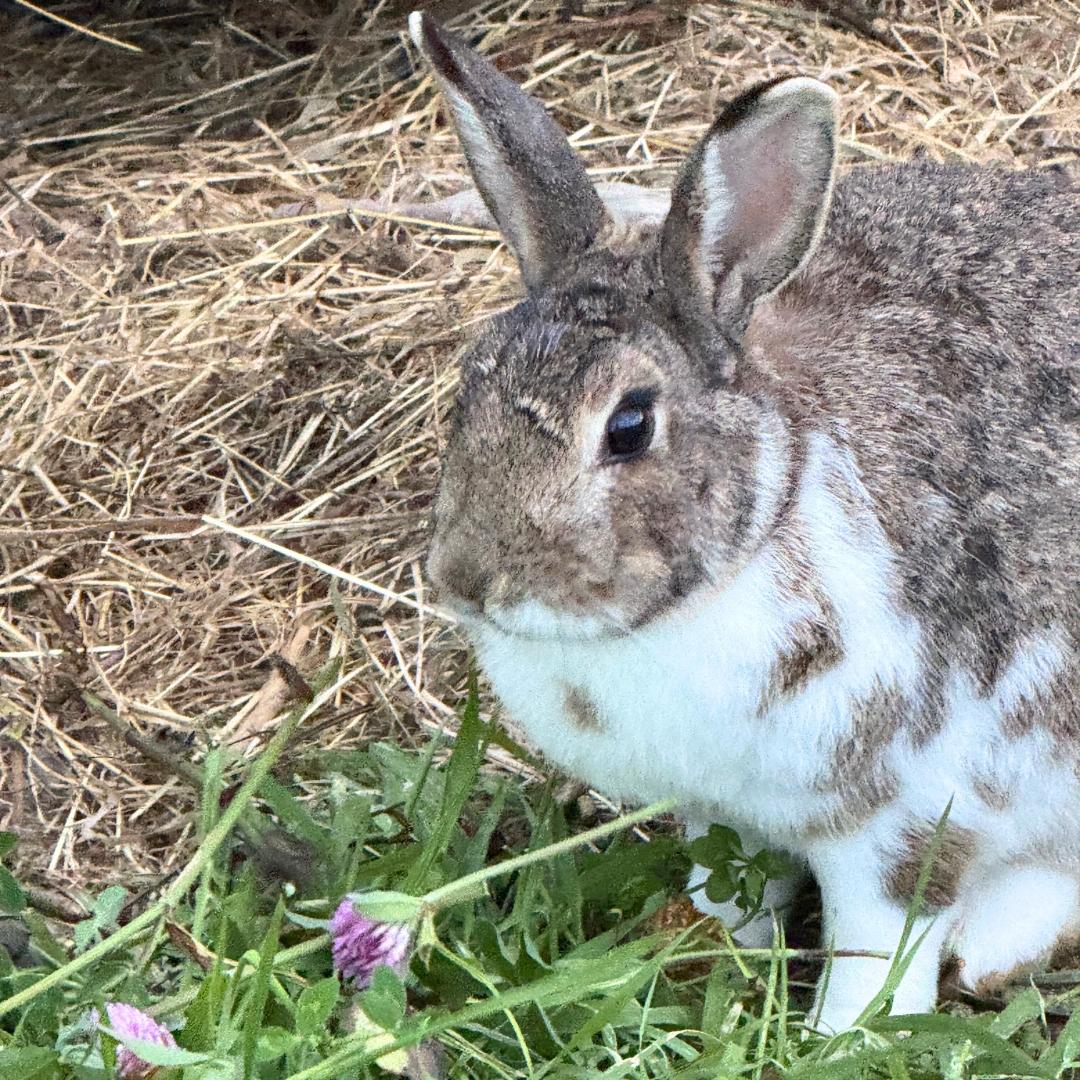
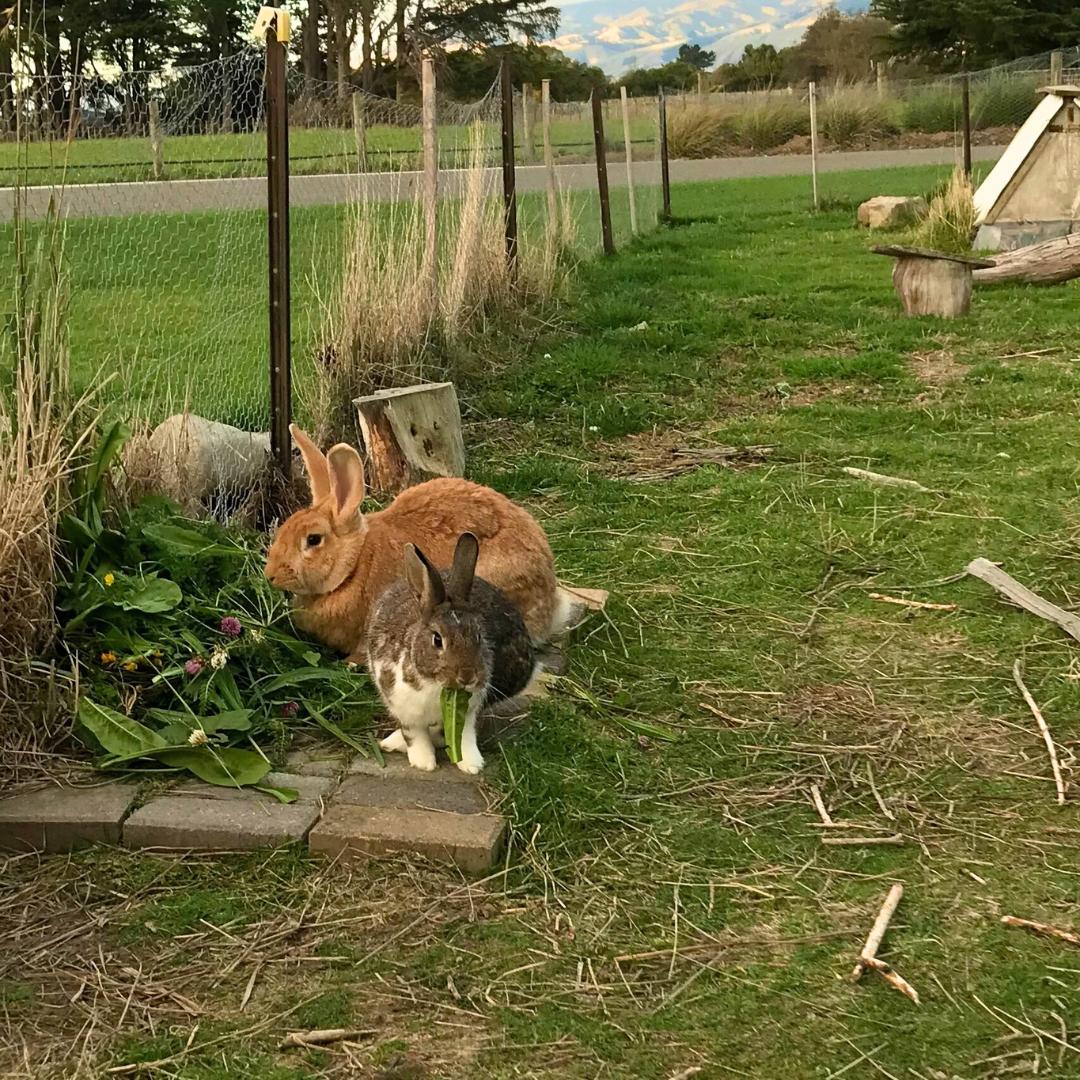
I'm looking for an older female rabbit to adopt as a companion for my desexed male Arlo.
He is sweet but a little bit bossy so an ideal companion would be gentle and happy to let him wear the pants, so to speak.
Once bonded they would live their best rabbit lives sharing a large insulated hutch in a 20m x 3m outside enclosure on a lovely peaceful farm in Ashhurst.
His female companion recently passed away and he is really missing having the company of another rabbit.
 Loading…