





Eco-Bricks
What is an Eco-brick?
An eco-brick is a plastic bottle packed with shredded, single-use, non-recyclable plastics, compressed to a required density to create a reusable building block. They are a sustainable way to reusenon-biodegradable plastic waste as they are regarded as a long-lasting and durable material.
Eco-bricks = a low energy solution to keeping plastic out of the ecosystem!
What is the purpose of an eco-brick?
Making an eco-brick can be a tedious and time-consuming project (but great to do whilst watching TV!) and the purpose of it is to make you responsible for your own plastic waste and encourage you to reduce your own consumption.
The aim is to help you cut down on what you’re buying and ultimately produce less waste whilst creating something beneficial for yourself or the community!
What goes into the eco-brick?
The most important thing about an eco-brick is that the contents are CLEAN and DRY before they get stuffed. The reason for this is to prevent any bacteria or mould forming inside, which will undo all your hard work as they will not be validated!
You can put inside an eco-brick:
Potato chip, biscuit, cake packets etc.
Stretchy plastic e.g., carrier bags, bread bags, clingfilm etc.
Pasta/rice packets
Packaging – bubble wrap/plastic envelopes
Styrofoam/polystyrene
Hard plastic – meat trays, flowerpots etc (however, hard plastics will need to be cut up into much smaller pieces than soft plastic to allow you to reach the weight requirements)
What can I make with an eco-brick?
The most common personal projects are footstools! They can be as small or as large as you want, you can be creative with the bottle bottom colours to make a cool pattern or cover them in some fabric to make a decorative piece around the house!
There are other smaller projects you can make, like doorstops for example! I am personally taking inspiration from this one found on Pinterest:
Ok, so how do I make one?
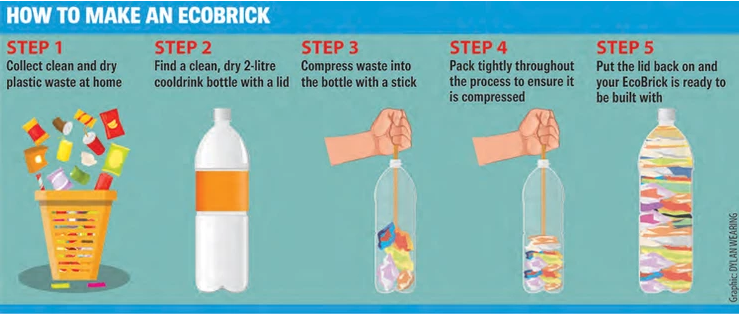
It is very simple! The picture below shows you how in 5 simple steps. The key is to just keep stuffing until you can’t any more! With time and patience, your brick will come to life.


Poll: Should we ditch daylight saving? 🕰️
First introduced in New Zealand in 1927 with the passing of the Summer Time Act, it's what we know as 'Daylight Saving' and this year it ends on the first Sunday in April.
While we do get to sleep in this time around, some people would like to scrap the clock tinkering for good.
And why? Some evidence suggests the time changes are bad for our health as they mess with sleep patterns leading to short-term fatigue and affecting mood. Meanwhile the hour change is frustrating for farmers and a nightmare for getting the littlies to sleep. But what's your take?

-
0% Yes - get rid of the clock changes
-
0% No, I enjoy it
-
0% Other - I'll share below

Poll: How important is the ability to book a doctor’s appointment online?
Hi Neighbours
Here at The Doctors we would love to hear how you prefer to book your doctor’s appointments. With busy schedules, different people find different methods easier.
For some, online booking is very convenient, you can make an appointment anytime without needing to wait on the phone. Others still prefer calling the clinic and speaking to a real person, especially if they have specific questions about their visit.
Your feedback helps us understand what works best for our patients and how we can improve access to care.

-
35.6% I prefer booking online whenever possible
-
23.6% Online booking is helpful but not essential
-
36.5% I prefer calling the clinic
-
4.3% I didn’t know online booking was available
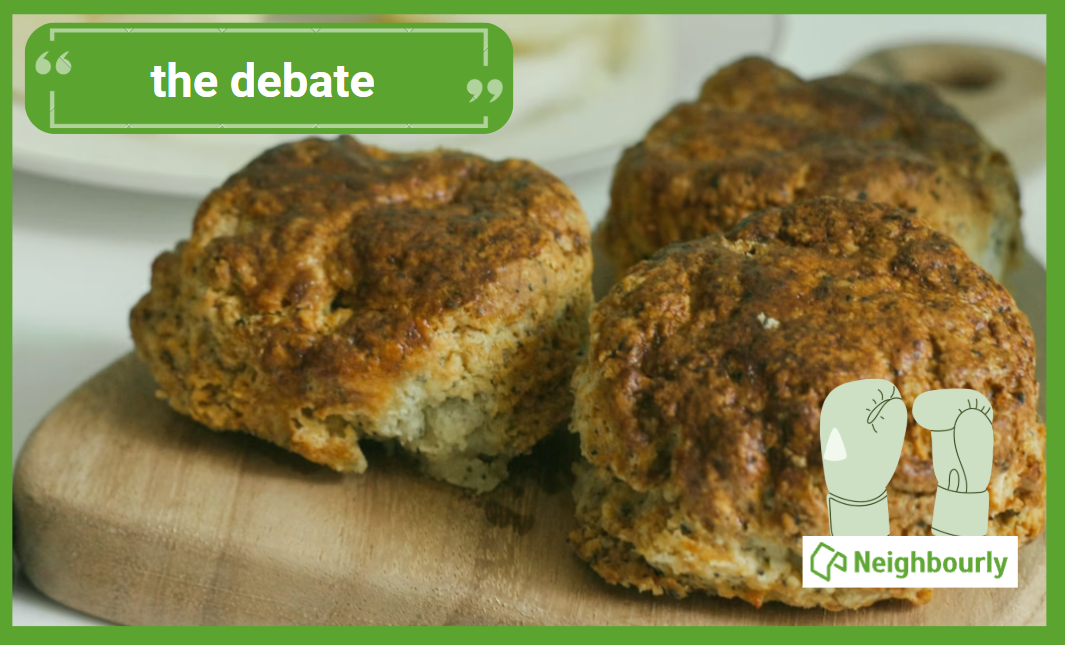
Poll: Does a savoury scone require cheese on top, or folded inside?
Help settle the great kiwi debate ... cheese on top, or folded inside?
-
76.4% Inside!
-
23.6% On top!
 Loading…