






Natural Animal-Based Textile Fibres
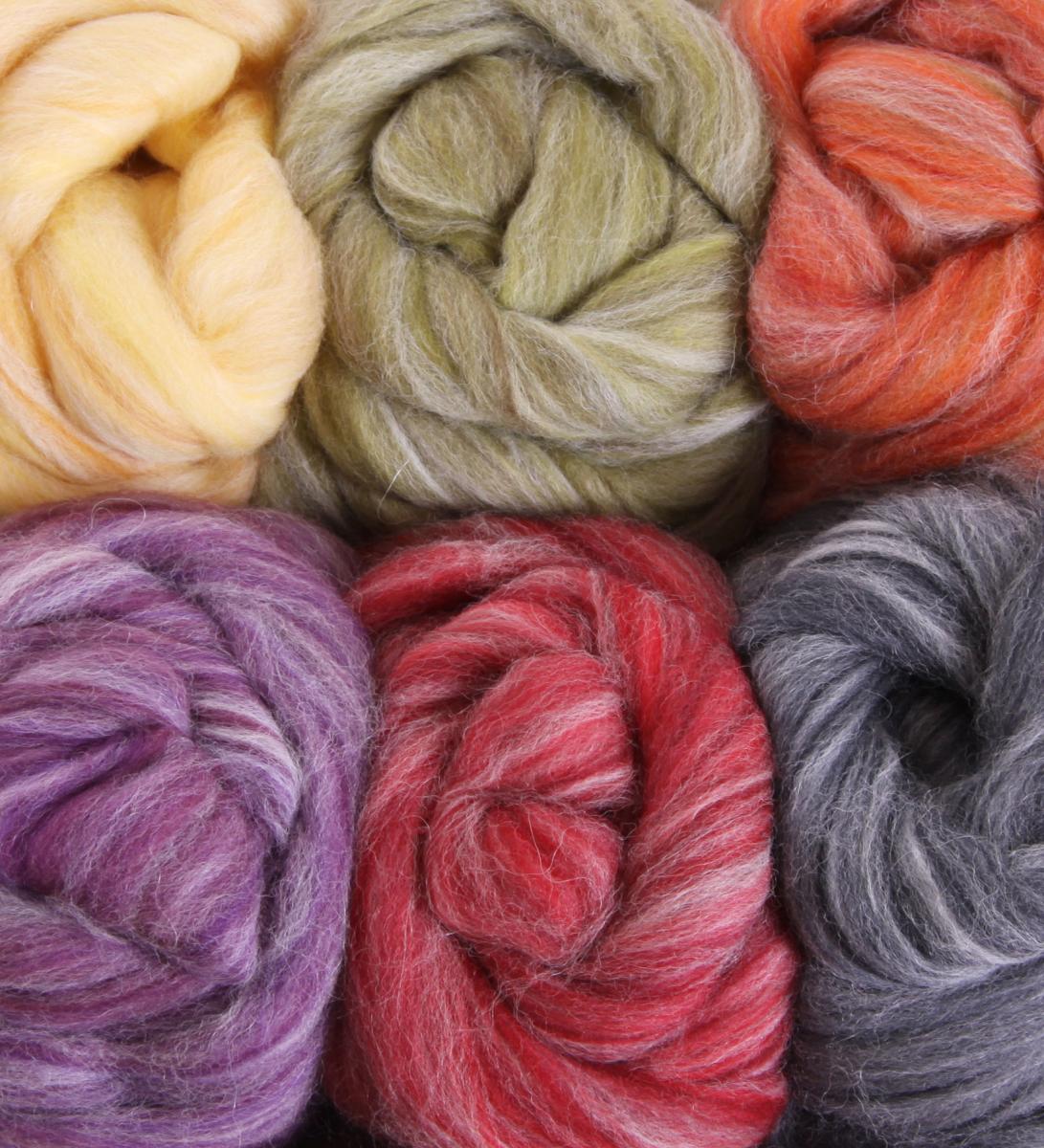
Animal-based fibres are wool, fur, and excretions, such as silk.
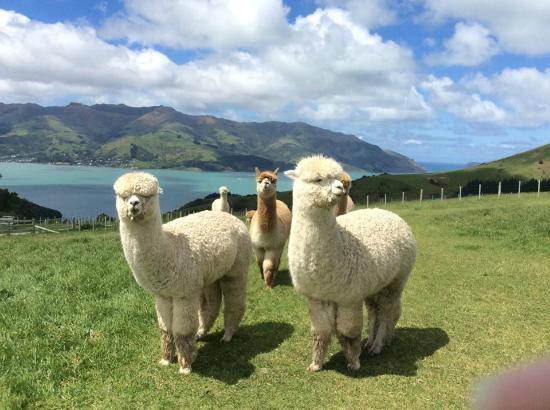
Alpaca: Alpaca is a very exclusive fibre, hollow in part of its structure, and it comes naturally in twenty-three different colours. It is extremely lightweight, has great insulation properties and is stronger than sheep’s wool. Alpaca is mixed with other natural fibres such as mohair, silk, or wool to make luxurious garments of the highest quality, both in knitted and flat fabrics.
Alpaca fibres of higher quality coming from the shearing of pups and younger specimens are considered smoother, softer, and warmer than cashmere. It is currently being used to manufacture sportswear. The leading brands in sports have been seduced by this fibre due to its insulation qualities in cold weather.
Angora: Angora is a natural animal-based fibre that comes from the Angora rabbit. It is silky, thin, and soft. This “ultra-silky” white hair from the Angora rabbit is a hollow fibre classified as wool. The hair is light, with great water absorption and quick dry.
Extremely light but very warm, angora is used mainly to make woven clothes such as pullovers, vests, sweaters, and fashion accessories for winter season. Flat fabrics with angora are used to manufacture thermal garments. Angora is mixed with wool to create greater density and elasticity in the fabric, especially for the production of suits and blazers. It also used to make high-quality and luxurious garments.
Cashmere: Cashmere comes from the Kashmir goat, a native of the Himalayas.
Cashmere is a very expensive and exclusive fibre. It is extremely soft and has great thermal properties; cashmere is used to manufacture high-quality sweaters and children’s warm clothes. The well-known “pashmina” is a type of cashmere used in shawls and scarves, produced in the Kashmir Valley. More robust cashmere is employed to manufacture high-quality rugs and carpets.
Sheep wool: A limited supply and its exceptional qualities have made wool the most widely used animal-based textile fibre in the fashion and textile industry.
Wool is a fibre with curly appearance, elastic, soft to the touch, which easily absorbs moisture and has an extremely low rate of heat release. These last few characteristics make woollen garments comfortable and warm.
Wool is a fibre of multiple functions and a wide range of diameters that make it perfect for manufacturing clothing items and fashionable accessories. It is mixed with other natural and synthetic fibres to increase strength. Wool is also used in household textile products as well as in industrial developments such as thermal and acoustic insulation.
Mohair: Mohair is the hair of the Angora goat from the Tibet. It is a very shiny, insulating type of wool, softer and stronger than sheep wool. Mohair is white and dyes with exceptional ease. It has excellent absorption capacity and is mainly used to make knitted garments and crochet accessories. Mohair is also utilized in household textiles to make luxurious beddings and upholstery.
Camel hair: Obtained from Bactrian camels with two humps, it is a fine, soft fibre that is used exclusively in luxurious textiles due to its quality and small supply. To manufacture ultra-exclusive items, camel hair is mixed with cashmere and, in other cases, due to its high cost, it is combined with wool to reduce the final price tag of the garment.
This fibre is employed to manufacture a wide variety of clothing items –suits, coats, sweaters, and jackets—and other accessories for winter season such as gloves, hats, and scarves.
Silk: In many people’s eyes, silk is still “the queen of fabrics”.
Silk is a protein filament produced by the silkworm. Feeding on mulberry leaves, the worm produces liquid silk that once solidified forms the filaments to build its cocoon. Then, once the larva is dead, heat is used to soften the hardened filaments and to unroll them. These individual filaments are later intertwined into one single filament to form the silk yarn.
Silk is a lightweight, lustrous, and soft fibre. It is highly resistant to tensile strength with little or no elasticity. Silk is very glossy because of the triangular prism structure of the fibre and this causes garments made of this fabric to refract incoming light into different angles.
Naturally, silk is used in high-quality textile industry to produce exquisite accessories as well as luxurious, haute couture garments. Additionally, it is utilized in a wide range of home décor items.

Poll: Should we ditch daylight saving? 🕰️
First introduced in New Zealand in 1927 with the passing of the Summer Time Act, it's what we know as 'Daylight Saving' and this year it ends on the first Sunday in April.
While we do get to sleep in this time around, some people would like to scrap the clock tinkering for good.
And why? Some evidence suggests the time changes are bad for our health as they mess with sleep patterns leading to short-term fatigue and affecting mood. Meanwhile the hour change is frustrating for farmers and a nightmare for getting the littlies to sleep. But what's your take?

-
41.1% Yes - get rid of the clock changes
-
57.3% No, I enjoy it
-
1.5% Other - I'll share below

Poll: How important is the ability to book a doctor’s appointment online?
Hi Neighbours
Here at The Doctors we would love to hear how you prefer to book your doctor’s appointments. With busy schedules, different people find different methods easier.
For some, online booking is very convenient, you can make an appointment anytime without needing to wait on the phone. Others still prefer calling the clinic and speaking to a real person, especially if they have specific questions about their visit.
Your feedback helps us understand what works best for our patients and how we can improve access to care.

-
41.1% I prefer booking online whenever possible
-
23.4% Online booking is helpful but not essential
-
32% I prefer calling the clinic
-
3.5% I didn’t know online booking was available

Don't overthink this riddle...
I have a silver sole
but no feet,
I make my living by bringing the heat.
What am I?
Do you think you know the answer? Simply 'Like' this post if you know the answer and the big reveal will be posted in the comments at 2pm on the day!
Want to stop seeing these in your newsfeed?
Head here and hover on the Following button on the top right of the page (and it will show Unfollow) and then click it. If it is giving you the option to Follow, then you've successfully unfollowed the Riddles page.
 Loading…