





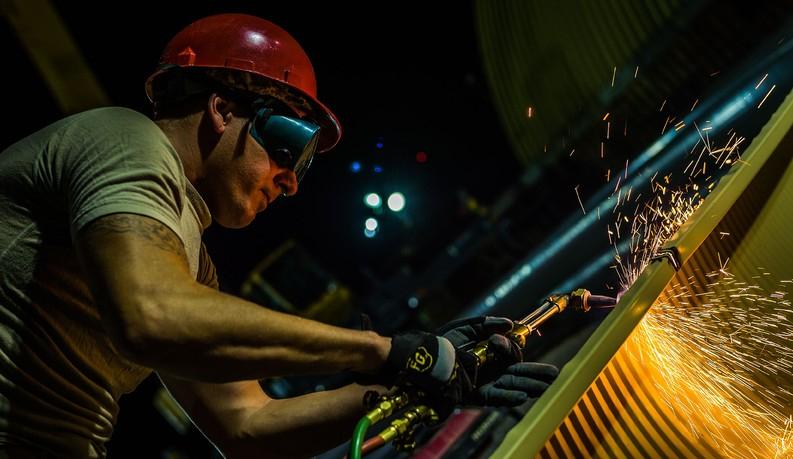
Workplace noise and what you need to know
Creating an environment that promotes good auditory health in the workplace is more effective if workers are involved with developing and carrying out solutions. Workers can help to identify risks arising from noise related hazards, and suggest practical ways to eliminate or reduce these risks. This will encourage worker commitment to good hearing health.
Hearing loss is preventable
By adopting noise control measures, and educating and training workers on the importance of wearing hearing protection when exposed to loud noise, good hearing health will become a part of your workplace culture.
Good hearing means good worker health and well-being
A workers health can affect their ability to work safely and productively. Hearing loss has health impacts including reduced productivity, feelings of isolation and exclusion, stress and fatigue. Workers with good health are likely to have higher levels of productivity, are more engaged, and are able to keep working for longer, contributing to the success of your business.
Workplace noise can be harmful to hearing
If workers are exposed to loud noises over a long period of time, the hairs or nerve cells in the inner ear become damaged, and eventually stop responding to sound. This is called noise induced hearing loss (NIHL). Hearing damage can also occur from a sudden loud noise, extended exposure to vibrations from noisy machinery or ototoxic chemicals (chemicals that damage your hearing) found in substances such as paints, thinners, and glues.
Hearing loss is irreversible
Exposure to dangerous noise levels can cause temporary or permanent hearing loss, or tinnitus (a ringing in the ears). Damaged hearing reduces a person's ability to hear high frequency sounds, and some common consonant sounds such as t, k, s, sh and p. This type of damage can't ever be repaired.
Noise induced hearing loss (NIHL)
NIHL resulting from workplace noise affects as many as 100,000 New Zealanders. Noise-related injuries are most common in the manufacturing and construction sectors, and in male-dominated industries. Around 30% of all workers in New Zealand are exposed to loud noise at work at least 25% of the time.
Hearing Protection Programme
Setting up a hearing protection programme in your workplace can help to manage noise related risks, and protect the health of your workers.

Poll: Should the government levy industries that contribute to financial hardship?
As reported in the Post, there’s a $30 million funding gap in financial mentoring. This has led to services closing and mentors stepping in unpaid just to keep helping people in need 🪙💰🪙
One proposed solution? Small levies on industries that profit from financial hardship — like banks, casinos, and similar companies.
So we want to hear what you think:
Should the government ask these industries to contribute?

-
59.9% Yes, supporting people is important!
-
25.8% No, individuals should take responsibility
-
14.4% ... It is complicated

A Neighbourly Riddle! Don’t Overthink It… Or Do?😜
Do you think you know the answer? Simply 'Like' this post if you know the answer and the big reveal will be posted in the comments at 2pm on the day!
If you multiply this number by any other number, the answer will always be the same. What number is this?


Have you got New Zealand's best shed? Show us and win!
Once again, Resene and NZ Gardener are on the hunt for New Zealand’s best shed! Send in the photos and the stories behind your man caves, she sheds, clever upcycled spaces, potty potting sheds and colourful chicken coops. The Resene Shed of the Year 2026 winner receives $1000 Resene ColorShop voucher, a $908 large Vegepod Starter Pack and a one-year subscription to NZ Gardener. To enter, tell us in writing (no more than 500 words) why your garden shed is New Zealand’s best, and send up to five high-quality photos by email to mailbox@nzgardener.co.nz. Entries close February 23, 2026.
 Loading…