





Northland Writers In Flash Fiction Finals
Northlanders have achieved highly in this year’s National Flash Fiction Day competition, which celebrates one of the shortest forms of creative writing.
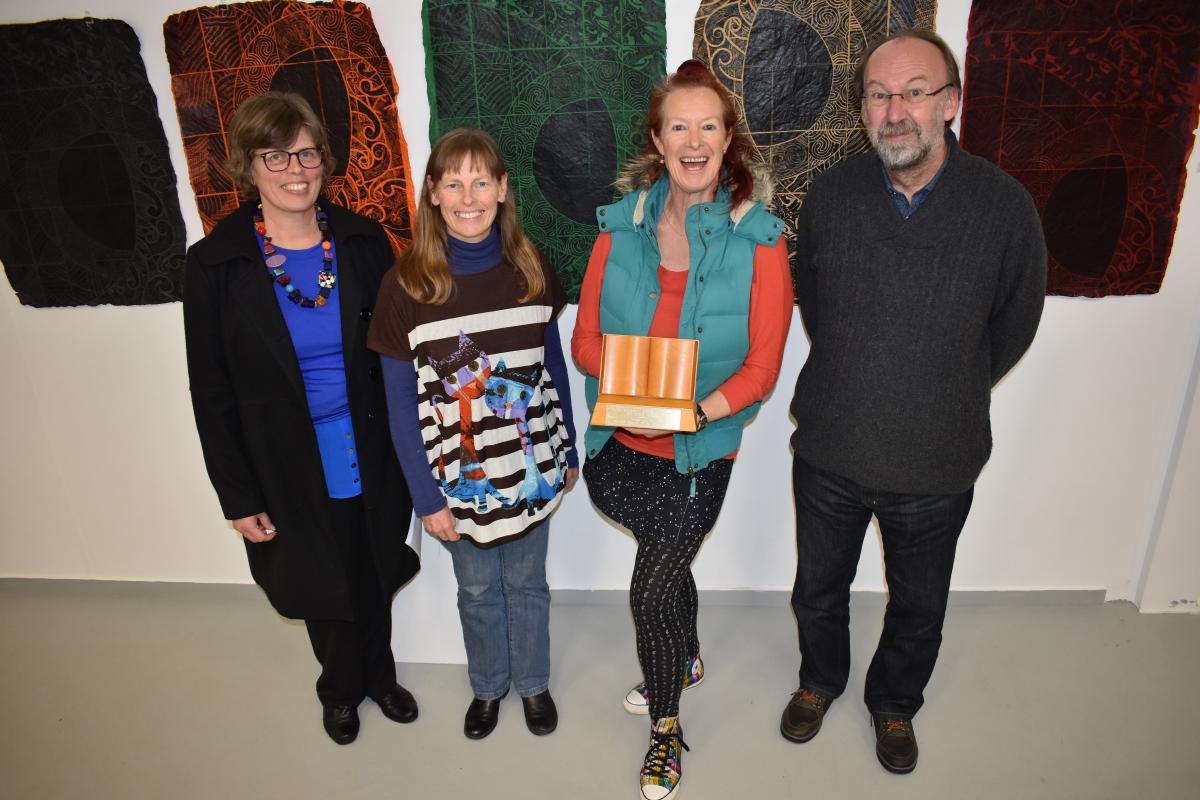
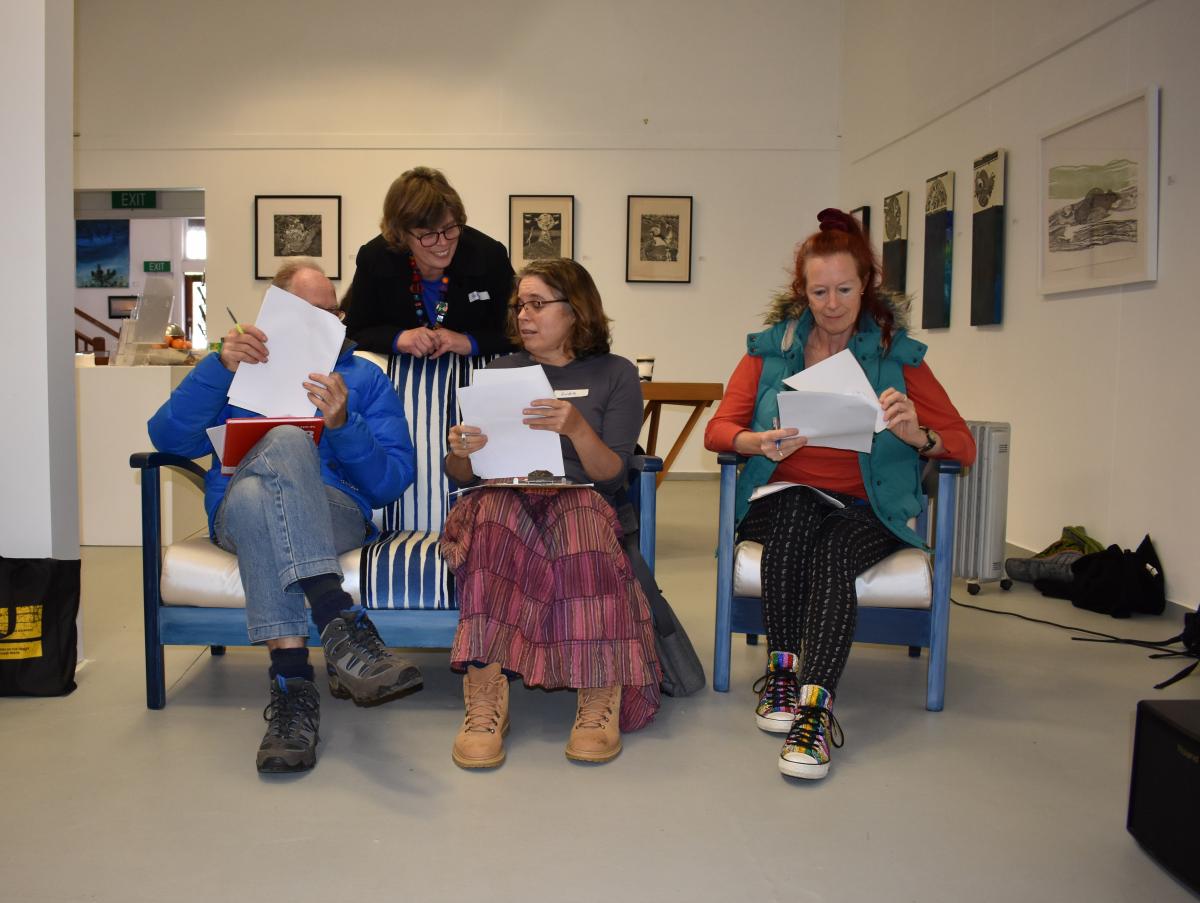
13 year old Jana Heise, who was raised in Whangarei, won the NFFD Youth Award on June 22. Her story was then performed, with those of other Northland and national finalists, at a workshop and open mic event on June 24 in Kawakawa put on by Bay of Islands resident Kathy Derrick, who is a National Flash Fiction Day Committee city chair.
Former Whangarei writer Lola Elvy was in the youth top ten shortlist and Michael Botur was longlisted three times. Lola’s mother Michelle Elvy, who lived in Opua and Whangarei from 2008 to 2014, contributes much to flash fiction, as one of the editors of the Bonsai anthology, which will be published in August by Canterbury University Press. That collection includes at least six Northland flash fiction writers.
Flash fiction is a form of storytelling with a strict 300 word limit. National Flash Fiction Day is celebrated each year on the shortest day. This year’s competition attracted around 500 entries.
Northland has just three percent of the country’s population but achieves disproportionately well at flash fiction. Flash fiction took off nationwide after Ms Elvy and friends published the first edition of Flash Frontier magazine in 2012. Highest-placed Northland writer and top ten NFFD finalist Vivian Thonger of Kerikeri said when she arrived four years ago, the region was “a flash-fiction writing hotspot where people at all levels of experience could learn and hone their short-form writing skills.”
Thonger said flash fiction can be addictive. “It doesn’t take long to write a piece, yet it’s a delicate game trying to fit meaning and tension into 300 words or fewer. It’s a kick getting published, and it feels less painful when you’re rejected; you bounce back and try again quickly, or have several pieces on the go at once.”
“Many of us have a collection of vignettes, of unforgettable moments, stuck in our heads; flash is a way to bring those snippets to life as a feeling evoked, or a brief encounter leaping off the page, real or imagined, like a frisson of truth or recognition passing between you and the reader.”
Other organisers of the Kawakawa event included Whangarei author Martin Porter, a National Flash Fiction Competition Committee member. Kathy Derrick is also judging the Whangarei Libraries Flash Fiction competition 2018, which is having its prizegiving on June 27.
More at: writeupnorth.co.nz...
Vivian Thonger’s Bay of Islands Writers Group is looking for more members. Contact vthonger@gmail.com to join.

Poll: Should the government levy industries that contribute to financial hardship?
As reported in the Post, there’s a $30 million funding gap in financial mentoring. This has led to services closing and mentors stepping in unpaid just to keep helping people in need 🪙💰🪙
One proposed solution? Small levies on industries that profit from financial hardship — like banks, casinos, and similar companies.
So we want to hear what you think:
Should the government ask these industries to contribute?

-
58.4% Yes, supporting people is important!
-
25.8% No, individuals should take responsibility
-
15.8% ... It is complicated

A Neighbourly Riddle! Don’t Overthink It… Or Do?😜
Do you think you know the answer? Simply 'Like' this post if you know the answer and the big reveal will be posted in the comments at 2pm on the day!
If you multiply this number by any other number, the answer will always be the same. What number is this?

Poll: As a customer, what do you think about automation?
The Press investigates the growing reliance on your unpaid labour.
Automation (or the “unpaid shift”) is often described as efficient ... but it tends to benefit employers more than consumers.
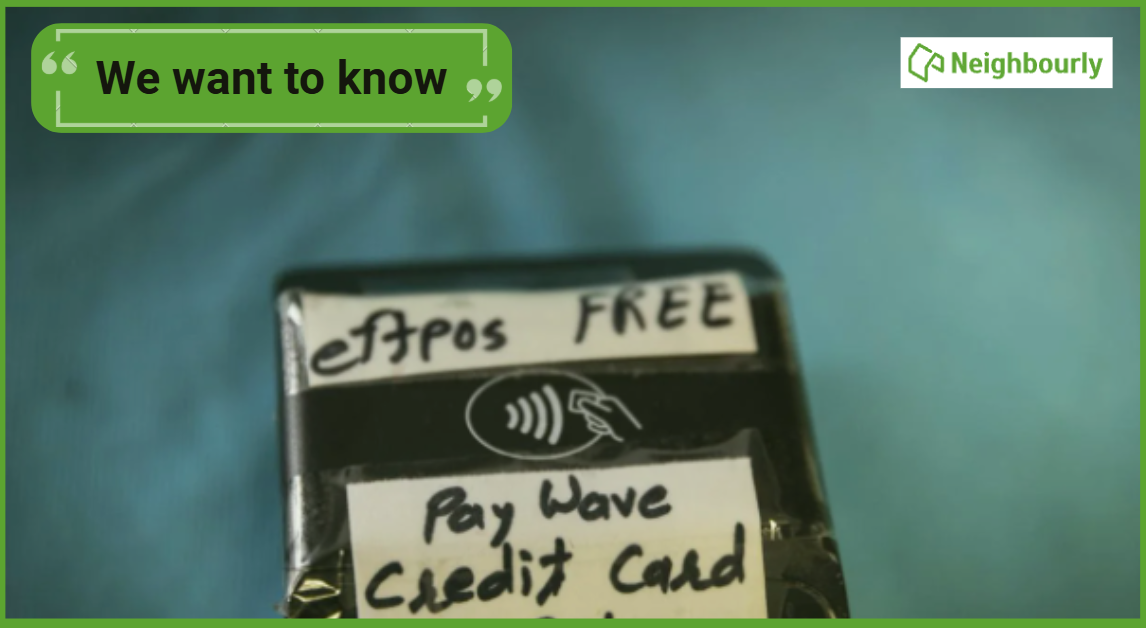
We want to know: What do you think about automation?
Are you for, or against?
-
9.7% For. Self-service is less frustrating and convenient.
-
43.2% I want to be able to choose.
-
47.1% Against. I want to deal with people.
 Loading…