




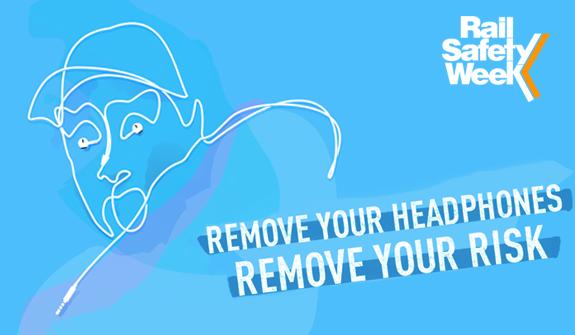
Rail Safety Week - 14 to 20 August 2017
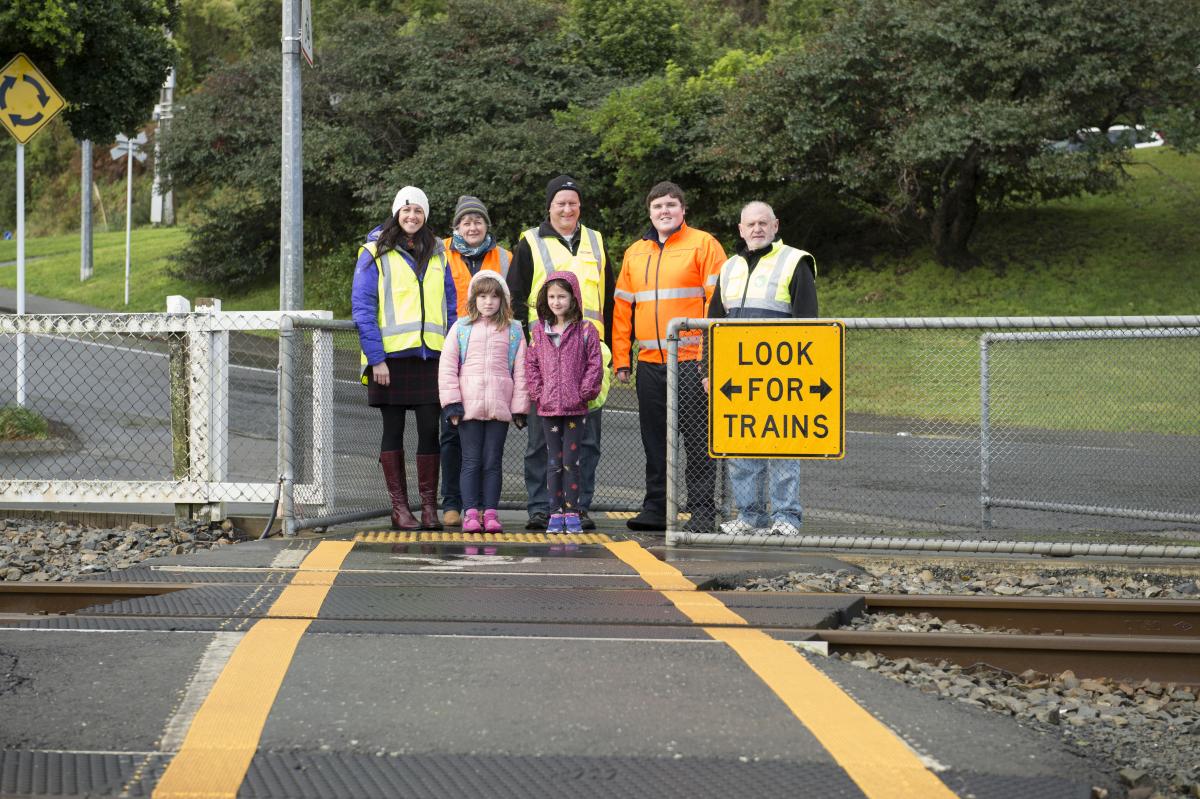
Rail Safety Week is an annual community awareness initiative lead by KiwiRail and TrackSAFE NZ with support from other organisations including NZ Transport Agency, NZ Police, Transdev Wellington, and Greater Wellington Regional Council. The event aims to put the spotlight on the importance of rail safety and encourage safe behaviour around tracks and trains.
In Tawa the particular focus is increasing awareness by pedestrians at the four crossing level rail crossings in Tawa.
Key safety messages for pedestrians
• Every time you’re near railway tracks, be alert. Trains can come at any time, from either direction.
• Only cross at formed pedestrian crossings or an overpass or underpass.
• Remove your headphones, stop and always look both ways for trains before crossing the tracks.
• Only cross if you are sure there are no trains in sight.
• Obey the warning signs at the crossing – if lights are flashing or bells are ringing it means a train is approaching.
• If a train has passed or is stationary at a station, always check both ways again to make sure another train is not coming. Two tracks might mean there is a second train.

Poll: How important is the ability to book a doctor’s appointment online?
Hi Neighbours
Here at The Doctors we would love to hear how you prefer to book your doctor’s appointments. With busy schedules, different people find different methods easier.
For some, online booking is very convenient, you can make an appointment anytime without needing to wait on the phone. Others still prefer calling the clinic and speaking to a real person, especially if they have specific questions about their visit.
Your feedback helps us understand what works best for our patients and how we can improve access to care.
-
39.9% I prefer booking online whenever possible
-
21.2% Online booking is helpful but not essential
-
35.1% I prefer calling the clinic
-
3.8% I didn’t know online booking was available

Poll: Should we ditch daylight saving? 🕰️
First introduced in New Zealand in 1927 with the passing of the Summer Time Act, it's what we know as 'Daylight Saving' and this year it ends on the first Sunday in April.
While we do get to sleep in this time around, some people would like to scrap the clock tinkering for good.
And why? Some evidence suggests the time changes are bad for our health as they mess with sleep patterns leading to short-term fatigue and affecting mood. Meanwhile the hour change is frustrating for farmers and a nightmare for getting the littlies to sleep. But what's your take?

-
36.1% Yes - get rid of the clock changes
-
63.2% No, I enjoy it
-
0.6% Other - I'll share below
Poll: Does a savoury scone require cheese on top, or folded inside?
Help settle the great kiwi debate ... cheese on top, or folded inside?

-
76.3% Inside!
-
23.7% On top!
 Loading…